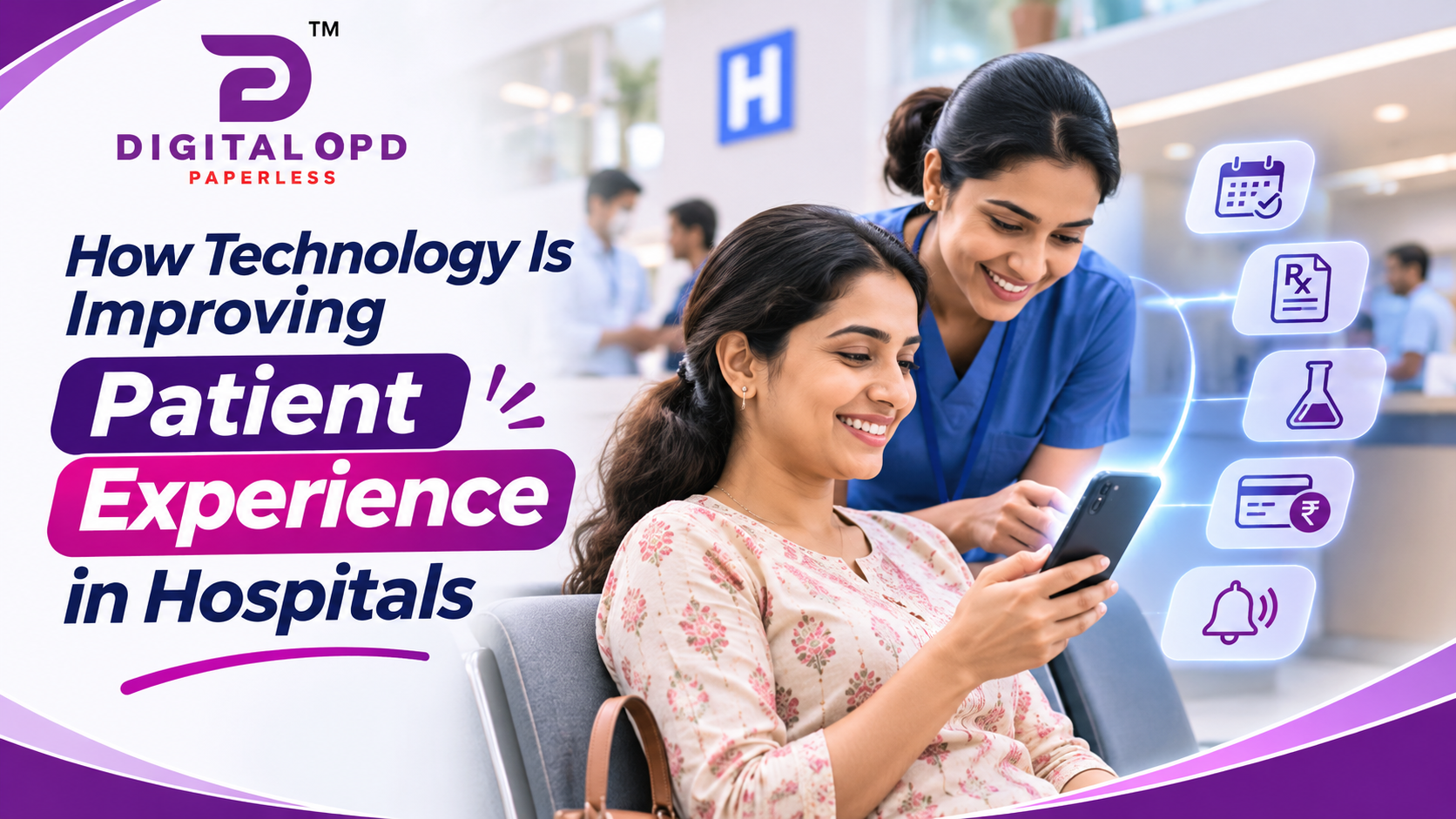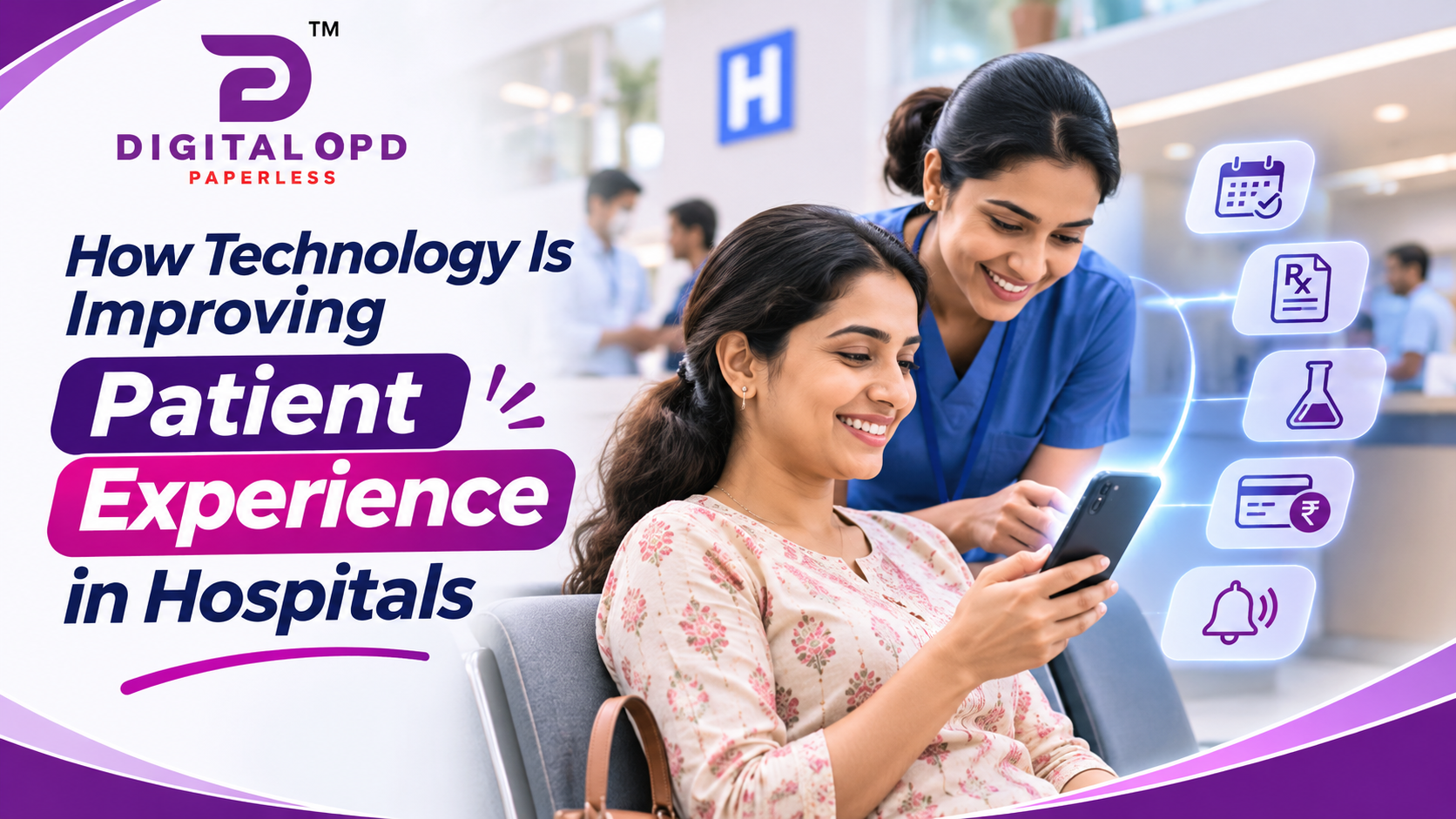
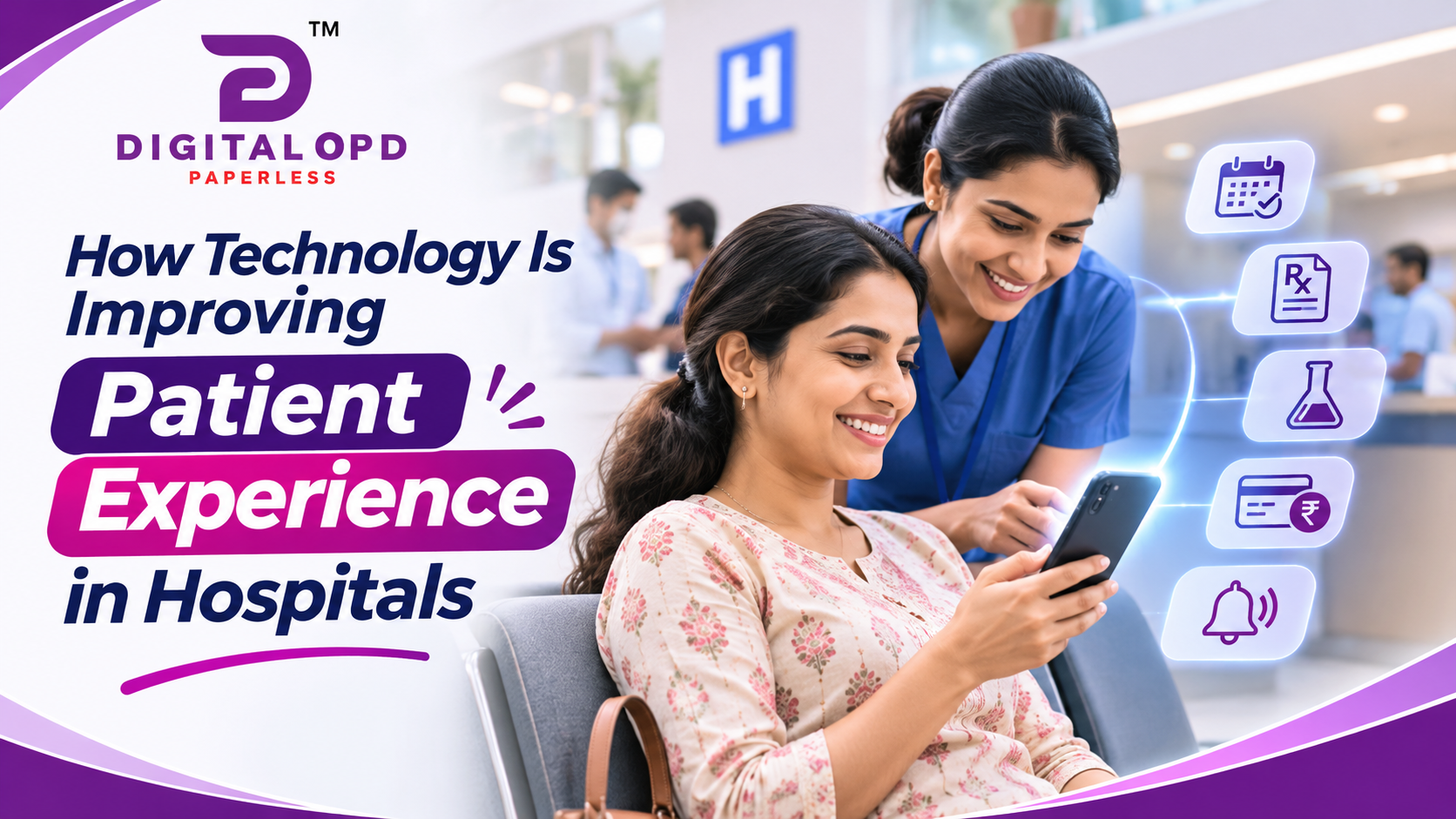
How Technology Is Improving Patient Experience in Hospitals
Introduction
Walking into a busy hospital outpatient department in India has traditionally meant long waits, crowded corridors, stacks of paper files, and repeated data entry at every step. For patients already dealing with health concerns, this experience has often added stress instead of relief. For hospital administrators and doctors, it has meant inefficiency, delayed consultations, and a constant struggle to manage daily patient flow with limited resources.
This reality is changing, and it is changing fast.
Technology is no longer a distant concept reserved for large corporate hospitals in metro cities. It is becoming a practical and accessible tool for hospitals, clinics, and healthcare providers across India, including those in Tier 2 and Tier 3 cities. From digital outpatient department management and AI-assisted diagnostics to online appointment booking and smart queue systems, healthcare technology is redefining what a good patient experience looks like.
The purpose of this article is to explore how modern technology is improving patient experience in hospitals across India, what specific tools and systems are making the biggest difference, and why healthcare providers that invest in digital transformation today are building a stronger foundation for tomorrow.
Understanding the Shift Toward Technology-Driven Healthcare in India
India's healthcare sector serves over 1.4 billion people, and the outpatient department remains the most frequently used touchpoint in any hospital or clinic. According to the National Health Profile published by the Ministry of Health and Family Welfare, outpatient visits in public health facilities run into hundreds of millions every year. The sheer volume of daily patient interactions makes the OPD one of the most critical areas for improvement.
The Government of India has already signaled the importance of digital health infrastructure through its Ayushman Bharat Digital Mission (ABDM), which aims to create a unified digital health ecosystem. ABDM enables the creation of Ayushman Bharat Health Accounts (ABHA), digital health records, and interoperable systems across public and private healthcare providers. This national framework has provided both the momentum and the legitimacy for hospitals to adopt technology more confidently.
At the same time, the widespread penetration of smartphones and affordable internet connectivity across Indian cities and towns has made it easier than ever for patients to interact with healthcare providers digitally. Patients today expect to book appointments online, receive digital prescriptions, and get follow-up reminders on their phones. When hospitals meet these expectations, the patient experience improves significantly.
Key Technologies Transforming Patient Experience in Indian Hospitals
Digital OPD Management Systems
One of the most impactful changes in patient-facing hospital operations has been the introduction of digital outpatient management systems. These platforms replace manual registration, paper tokens, and handwritten files with a streamlined, connected workflow from the moment a patient arrives to the moment they leave.
A well-implemented digital OPD system allows patients to:
Book appointments in advance through a mobile app or website
Complete self-registration before arriving at the hospital
Receive a digital token and monitor their queue position in real time
Consult with the doctor in a smoother and faster session
Receive a digital prescription instantly
Complete billing without long waits at the counter
For hospitals, this means front-desk teams are no longer overwhelmed with repeated data entry. Doctors can focus entirely on the consultation rather than managing paperwork. Administrators get real-time visibility into patient flow, consultation status, and daily OPD performance through dashboards and analytics.
Platforms like Digital OPD (digitalopd.in) are built specifically to address these challenges for Indian hospitals and clinics. By digitizing the entire outpatient journey, these systems reduce waiting times, improve front-desk efficiency, and create a noticeably better experience for every patient who walks through the door.
Online Appointment Booking and Scheduling
The ability to book a doctor's appointment online has become one of the most valued conveniences for patients in urban India. Rather than arriving at a hospital early in the morning and waiting in line to register, patients can now choose their preferred doctor, select a time slot, and confirm their visit from their phone or computer.
For hospitals, online appointment scheduling also creates better workload distribution throughout the day. It prevents the common problem of all patients arriving at the same time, reduces overcrowding at the reception desk, and helps doctors maintain a steady consultation pace. It also reduces no-shows when automated reminders are sent to patients before their appointment.
This seemingly simple shift has a measurable impact on patient satisfaction. When patients feel their time is respected, their perception of the entire healthcare experience improves.
Smart Queue Management and Real-Time Token Systems
One of the most persistent frustrations for patients visiting Indian hospitals is uncertainty about waiting time. Without a clear system, patients often do not know whether they will wait 20 minutes or two hours. This uncertainty is exhausting and erodes confidence in the hospital's ability to manage operations efficiently.
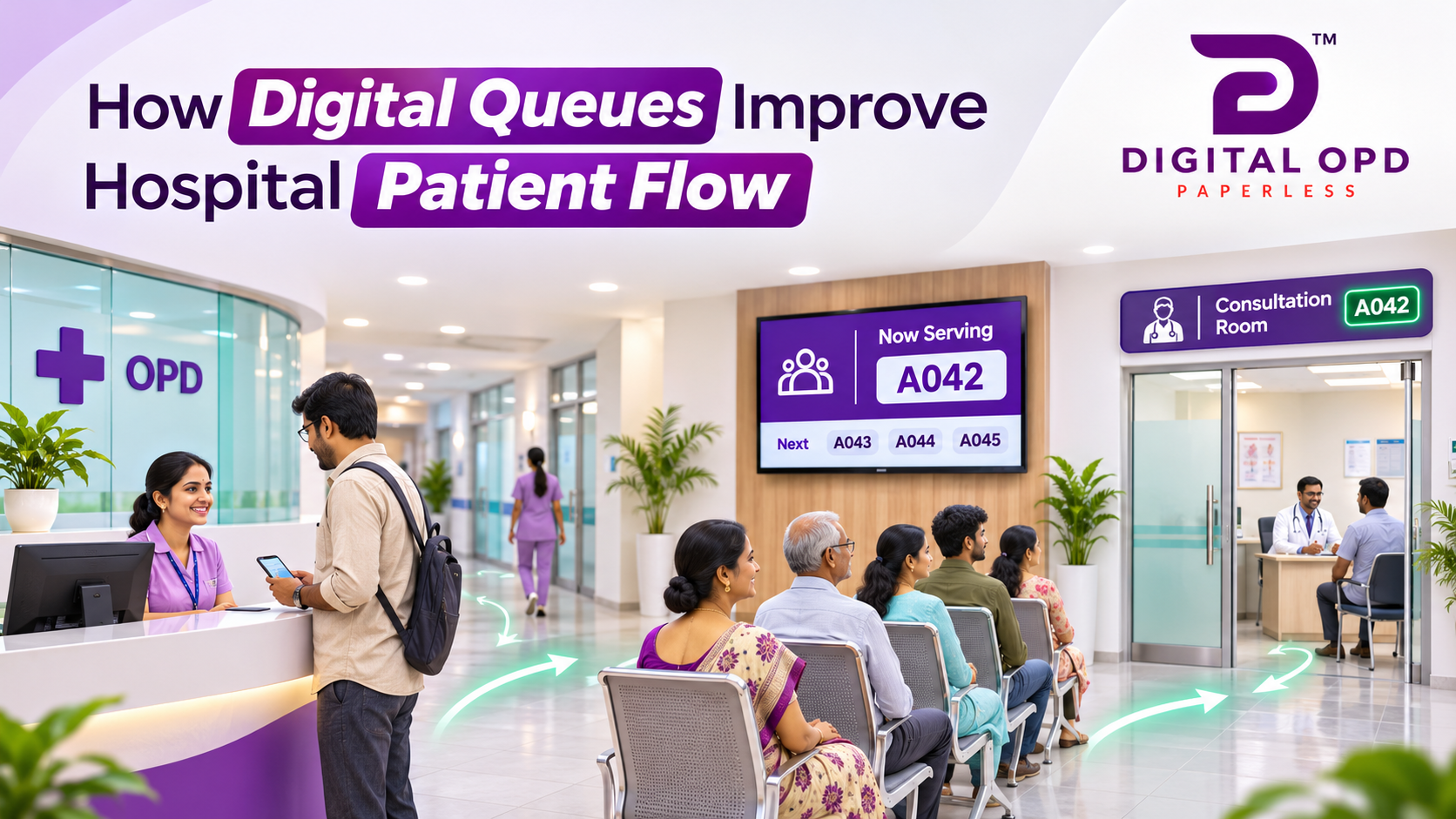
Smart queue management systems solve this problem directly. When patients receive a digital token and can track their position in real time, either through a display screen in the hospital or a notification on their phone, the entire waiting experience becomes more manageable. Patients can sit comfortably, make use of their time, or even step out briefly rather than standing anxiously near the consultation room.
For hospitals, queue management also means better consultation pacing. Doctors can focus on one patient at a time without the pressure of a visibly crowded waiting area. Front-desk staff can respond to inquiries more calmly. The overall atmosphere of the OPD becomes more organized and professional.
Electronic Health Records and Digital Prescriptions
Paper-based patient records have long been a source of inefficiency and risk in Indian healthcare. Handwritten prescriptions can be difficult to read. Physical files can be lost, misplaced, or damaged. When a patient visits a different department or requires referral to another specialist, transferring information manually takes time and introduces the possibility of errors.
Electronic Health Records (EHR) address these challenges by creating a centralized, secure, and easily accessible record of a patient's medical history, diagnosis, prescriptions, and follow-up notes. With ABDM-linked digital health records, patients in India can now carry their health information across different hospitals and clinics seamlessly.
Digital prescriptions further improve the patient experience by being legible, instantly shareable, and verifiable. A patient no longer needs to decipher handwriting or worry about losing a prescription slip. The pharmacy can access the prescription directly, reducing errors and saving time. For hospitals, digital prescriptions also mean better documentation and reduced liability.
Artificial Intelligence in Diagnostics and Patient Monitoring
Artificial intelligence is beginning to play a meaningful role in Indian hospitals, particularly in diagnostics, radiology, pathology, and chronic disease monitoring. AI-powered tools can assist radiologists in detecting abnormalities in X-rays, CT scans, and MRI images with greater speed and consistency. In pathology, AI algorithms are being used to analyze slides and identify patterns that may indicate disease.
For patient experience, the most immediate benefit of AI in diagnostics is faster turnaround times. When AI assists in preliminary analysis, results are available sooner, reducing the time patients spend waiting for reports and enabling earlier clinical decisions.
In chronic disease management, remote patient monitoring tools powered by AI allow patients with conditions such as diabetes, hypertension, and cardiac disease to track their health parameters at home and share data with their doctors digitally. This reduces unnecessary hospital visits, keeps patients more engaged in their own care, and allows doctors to intervene proactively when parameters move outside safe ranges.
Telemedicine and Remote Consultations
The COVID-19 pandemic accelerated the adoption of telemedicine in India in ways that few could have anticipated. Under the Telemedicine Practice Guidelines issued by the Board of Governors in supersession of the Medical Council of India in 2020, registered medical practitioners were formally permitted to provide telemedicine services. Since then, adoption has grown steadily across urban and semi-urban India.
Telemedicine improves patient experience by removing geographical and logistical barriers. A patient in a smaller town can consult a specialist at a large hospital in a metro city without the cost and inconvenience of travel. Follow-up consultations for stable patients can be conducted entirely online, freeing up physical OPD capacity for new and more complex cases.
For hospitals and clinics, telemedicine also creates a new avenue for patient engagement and retention. Patients who can reach their regular doctor online for minor concerns are less likely to seek care elsewhere.
Hospital Management Systems and Integrated Billing
Fragmented billing remains one of the most frustrating parts of the hospital visit for many patients in India. When diagnostic charges, consultation fees, medicine costs, and procedure charges are handled by separate counters with separate queues, the billing experience alone can add significant time and frustration to what should have been a straightforward visit.
Integrated hospital management systems connect the entire hospital workflow, from appointment to billing, so that by the time a patient reaches the billing counter, all charges are already compiled, verified, and ready for review. This reduces waiting time at checkout, minimizes billing disputes, and ensures patients leave the hospital with a clear and comprehensive record of their visit and expenses.
Why Patient Experience Matters for Hospitals
Improving patient experience is not simply a matter of comfort or courtesy. It has measurable clinical and business implications. Research consistently shows that patients who have a positive experience are more likely to follow medical advice, complete their treatment, return for follow-up care, and recommend the hospital to others.
NABH (National Accreditation Board for Hospitals and Healthcare Providers) accreditation standards in India also emphasize patient-centered care as a core quality requirement. Hospitals that invest in technology to improve the patient journey are better positioned to meet these standards and build a reputation for excellence.
For hospital administrators and clinic owners, the connection between patient experience and operational performance is direct. Shorter waiting times mean higher patient throughput. Digital billing means fewer disputes and faster payments. Better follow-up management means stronger patient retention. These are not just experience improvements; they are operational and financial outcomes.
The Road Ahead for Technology in Indian Healthcare
India is at an exciting inflection point in its healthcare technology journey. With the ABDM framework providing the digital infrastructure backbone, and with a growing ecosystem of healthtech companies building practical solutions for Indian hospitals and clinics, the conditions for meaningful and widespread adoption are better than they have ever been.
The challenge now is not awareness but implementation. Hospitals that have already embraced digital OPD systems, smart queue management, EHR, and telemedicine are reporting tangible improvements in patient satisfaction scores, front-desk efficiency, and daily operational performance. The hospitals still operating on entirely manual processes face growing pressure from patient expectations and competitive forces.
Technology does not replace the human dimension of healthcare. The relationship between a patient and a doctor remains at the heart of every clinical encounter. What technology does is remove the friction, reduce the delays, and create the conditions under which that relationship can function at its best.
Conclusion
The transformation of patient experience through technology is not a future aspiration for Indian hospitals. It is an ongoing reality, and the pace is accelerating. From digital OPD systems that reduce waiting times to AI-assisted diagnostics that speed up results, from smart queue management to integrated billing, every layer of technology that enters the hospital workflow has the potential to make the patient experience faster, smoother, and more respectful of patients' time and dignity.
For hospitals and clinics across India, the message is clear. Investing in the right healthcare technology is investing in patient trust, clinical outcomes, and long-term institutional growth. Platforms built specifically for the Indian OPD environment, such as Digital OPD, are helping healthcare providers make this transition in a practical and manageable way. The outpatient department may be the first touchpoint, but with the right technology behind it, it can also become the strongest one.
Frequently Asked Questions
Q1: How does technology reduce patient waiting time in hospitals?
Technology reduces waiting time through digital appointment scheduling, smart queue management systems, and streamlined OPD workflows. When patients book slots in advance and receive real-time token updates, crowding at the reception reduces significantly, and consultations proceed at a more efficient pace.
Q2: What is a digital OPD system and how does it work?
A digital OPD system is a software platform that manages the complete outpatient journey, from online appointment booking and digital registration to queue management, consultation, e-prescription, and billing. It replaces manual paper-based processes with a connected digital workflow that benefits both patients and hospital staff.
Q3: Is healthcare technology accessible for smaller hospitals and clinics in India?
Yes. With the growth of cloud-based healthcare software and affordable subscription models, digital OPD platforms and queue management systems are increasingly accessible to smaller hospitals, multispecialty clinics, and standalone practices across Tier 2 and Tier 3 cities in India.
Q4: How does the Ayushman Bharat Digital Mission support hospital technology adoption?
ABDM provides a national digital health infrastructure that enables hospitals and clinics to link patient records, generate ABHA numbers, and participate in an interoperable health data ecosystem. This framework encourages and supports technology adoption across both public and private healthcare providers in India.
Q5: What impact does technology have on doctor-patient consultation quality?
When administrative burdens such as manual registration, paper records, and billing are handled digitally, doctors can focus entirely on the clinical consultation. This leads to more attentive and thorough consultations, better documentation through digital prescriptions, and an overall improvement in the quality of the doctor-patient interaction.
Resources
Ayushman Bharat Digital Mission (ABDM): Official national digital health initiative providing the framework for interoperable health records and digital health infrastructure in India.
National Health Authority, Government of India: Policy and regulatory body overseeing Ayushman Bharat and PM-JAY health schemes, including digital health governance.
National Accreditation Board for Hospitals and Healthcare Providers (NABH): Sets quality and patient safety standards for Indian hospitals, including patient-centered care benchmarks.
Ministry of Health and Family Welfare (MoHFW): Publishes the National Health Profile and policy documents governing healthcare delivery and digital health in India.
World Health Organization (WHO) India: Provides global and India-specific research on health systems strengthening, patient safety, and digital health adoption.
Interlinking Keywords
digital OPD system, outpatient management software, hospital queue management, online appointment booking India, e-prescription software, electronic health records India, smart hospital technology, patient experience in hospitals, ABDM digital health, telemedicine India, OPD digital transformation, hospital management system India
Last reviewed by:
Dr. Manthan Tripathi and Editorial Advisory Team, Digital OPD on 24, November 2026.
Disclaimer
The information provided in this article is intended for general informational and educational purposes only. It does not constitute medical advice, clinical guidance, or a recommendation to adopt any specific technology product or platform. Healthcare providers should conduct their own due diligence and consult qualified IT and clinical advisors before implementing any digital health system. References to government schemes, regulatory frameworks, and healthcare organizations are made for informational purposes and do not imply endorsement. Readers should verify current guidelines directly with the relevant authorities.